

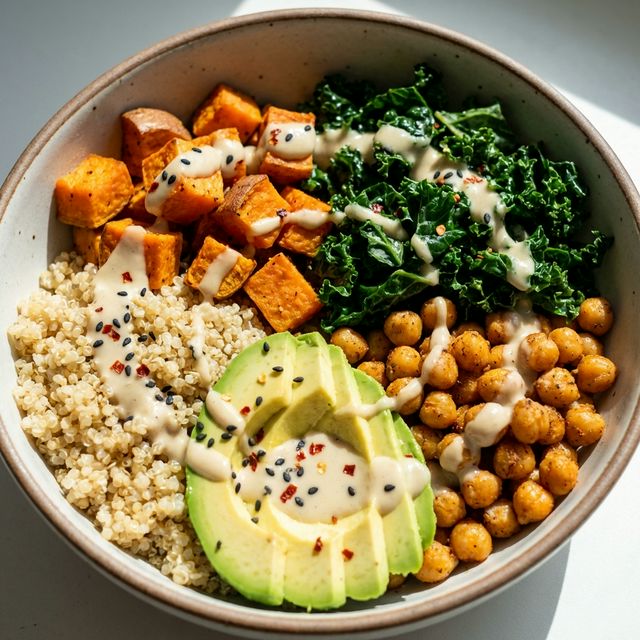
Plant-based diets have gained significant attention in recent years due to their numerous health and environmental benefits. Here's what you need to know about the power of plant-based eating:
Health benefits
Heart health
Plant-based diets have been shown to reduce the risk of heart disease. They are typically low in saturated fat and cholesterol while being high in fiber, antioxidants, and other heart-healthy nutrients.
Weight management
Studies have found that people following plant-based diets tend to have lower body mass indexes (BMIs) and are less likely to be overweight or obese compared to those who eat animal products.
Diabetes prevention and management
Plant-based diets can help prevent and manage type 2 diabetes by improving insulin sensitivity and blood sugar control. The high fiber content of plant foods helps regulate blood sugar levels.
Cancer risk reduction
Research suggests that plant-based diets may reduce the risk of certain types of cancer, including colon, breast, and prostate cancer. This is attributed to the high content of antioxidants, phytochemicals, and fiber in plant foods.
Environmental benefits
Reduced carbon footprint
Plant-based diets have a significantly lower environmental impact compared to diets high in animal products. Animal agriculture is a major contributor to greenhouse gas emissions, deforestation, and water pollution.
Conservation of resources
Producing plant-based foods generally requires less land, water, and energy compared to animal-based foods. This makes plant-based diets more sustainable and efficient.
Getting started with plant-based eating
Transitioning to a plant-based diet doesn't have to be all-or-nothing. Here are some tips to get started:
- Start with one plant-based meal per day or week
- Explore new plant-based recipes and cuisines
- Focus on whole, minimally processed foods
- Ensure adequate protein intake from legumes, nuts, seeds, and whole grains
- Consider supplementing with vitamin B12 if following a strict plant-based diet
- Consult with a registered dietitian to ensure nutritional adequacy
Nutritional considerations
While plant-based diets can be very healthy, it's important to ensure you're getting all necessary nutrients. Pay special attention to:
- Protein (legumes, nuts, seeds, whole grains)
- Iron (leafy greens, legumes, fortified foods)
- Calcium (fortified plant milks, leafy greens, tofu)
- Vitamin B12 (fortified foods or supplements)
- Omega-3 fatty acids (flaxseeds, chia seeds, walnuts)
- Vitamin D (fortified foods, sun exposure, or supplements)
The power of plant-based diets lies in their ability to promote health, sustainability, and ethical considerations. Whether you choose to go fully plant-based or simply incorporate more plant foods into your diet, you can reap significant benefits for both your health and the planet.